

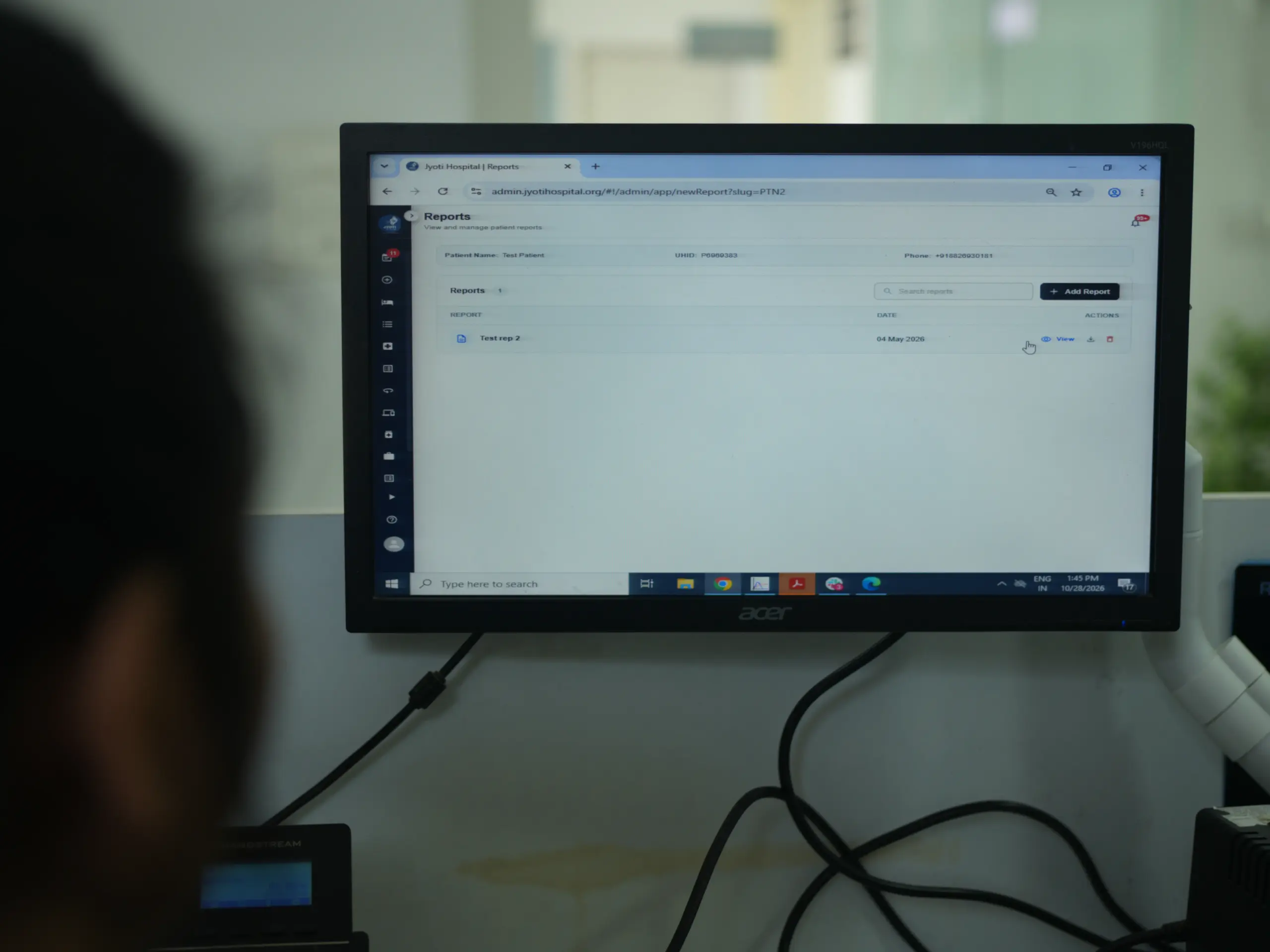
Running a clinic involves more than just doctors and patients. Receptionists manage appointments, nurses assist with patient care, and administrators oversee daily operations. When everyone uses the same access permissions, it can become difficult to maintain an organized workflow and protect sensitive patient information.
Role-based user profiles help clinics give every team member access to the tools and information they need to do their job.
What Are Role-Based User Profiles?
Role-based user profiles allow healthcare facilities to create separate accounts for doctors, nurses, receptionists, and administrators, with permissions tailored to each person’s responsibilities.
Instead of providing every staff member with unrestricted access to the system, clinics can define who can view, enter, edit, or manage specific information and functions. This creates a more structured digital workspace where responsibilities are clearly defined.
How Does Role-Based Access Help Different Healthcare Professionals?
1. Doctors: Access to Patient Care Information
Doctors need access to relevant patient records and clinical information to support consultations and treatment decisions. Role-based profiles can help provide a dedicated workspace for clinical tasks while limiting access to unrelated administrative functions.
2. Nurses: Support for Clinical Workflows
Nurses assist with patient care, documentation, and coordination. Their access can be tailored to the clinical information and workflows required for their duties, helping them work efficiently without unnecessary system access.
3. Receptionists: Smoother Front-Desk Operations
Receptionists handle appointment scheduling, patient registration, and front-desk coordination. Their profiles can focus on these administrative responsibilities, allowing them to manage patient flow without automatically granting access to sensitive clinical records.
4. Administrators: Greater Operational Oversight
Administrators are responsible for keeping clinic operations organized. Their profiles can provide the permissions needed to manage users, coordinate workflows, and oversee relevant administrative functions, according to the access policy established by the clinic.
Why Role-Based User Profiles Matter
Better data privacy: Restricting access according to job responsibilities helps reduce unnecessary exposure of sensitive patient information.
Clearer responsibilities: Each team member works within a defined set of permissions, making workflows easier to organize.
Improved efficiency: Staff can focus on the tasks relevant to their roles instead of navigating functions they rarely need.
More controlled access: Individual accounts and appropriately assigned permissions can help clinics manage who accesses different parts of the system.
Support for growing teams: As a clinic expands, role-based access provides a structured way to organize user accounts and responsibilities.
A More Organized Way to Manage Healthcare
Healthcare teams work best when everyone has the right information at the right time, without unnecessary access to everything else. Role-based user profiles help establish that balance between accessibility, efficiency, and privacy.
With Inteliya, clinics can explore a more structured approach to digital healthcare management, where technology supports the people delivering care as well as those keeping the clinic running. Most importantly the accountability it introduces reduces errors and helps find the issues instantly.
The goal is simple: the right access for the right person, so your team can work more confidently, responsibly and efficiently.